Rituals of Reuse
A research-creation project exploring repair, obsolescence, and our everyday relationships with technology.
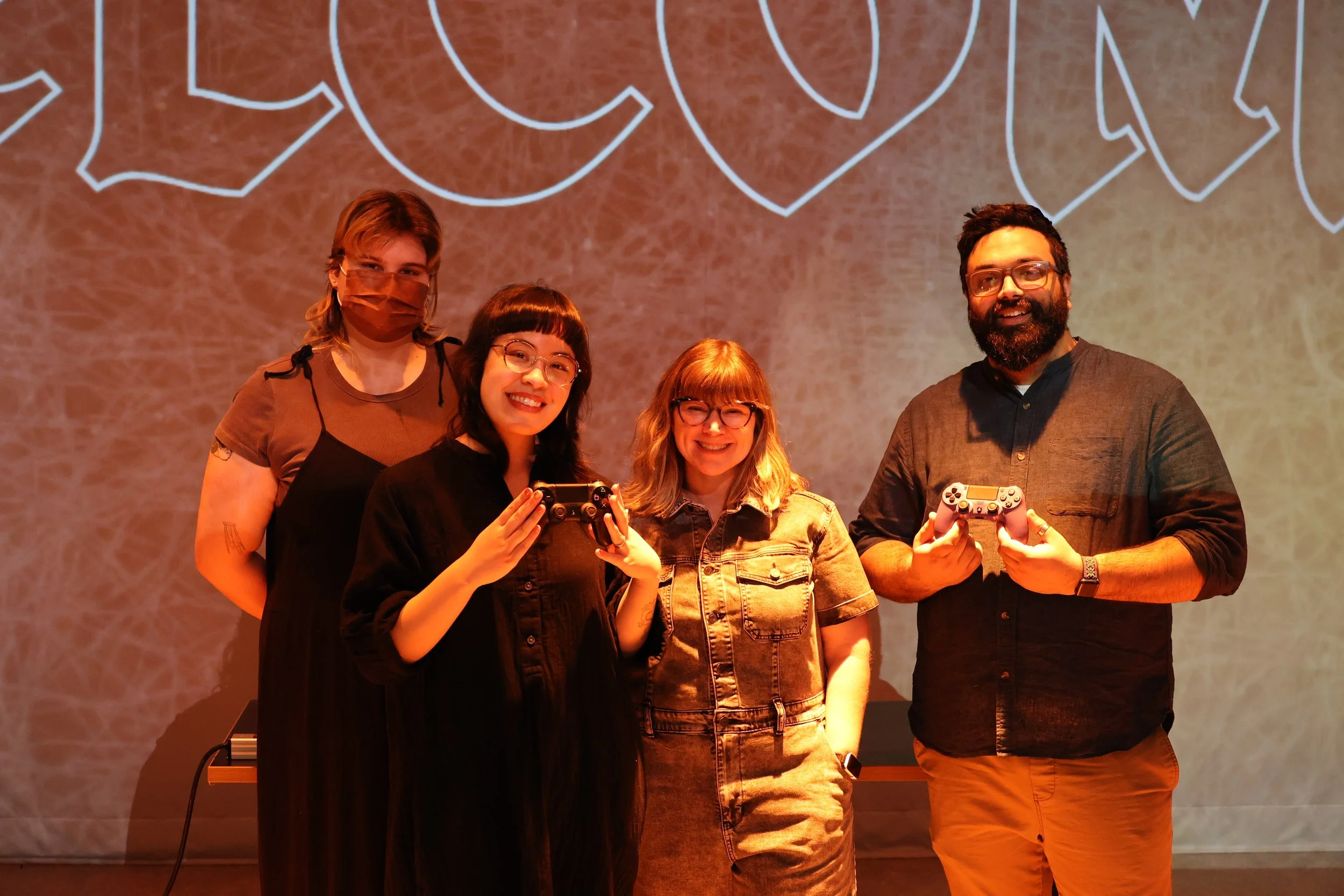
Created by Thalia Godbout, Laurel Green, RJ Remesat, and Omar Shabbar
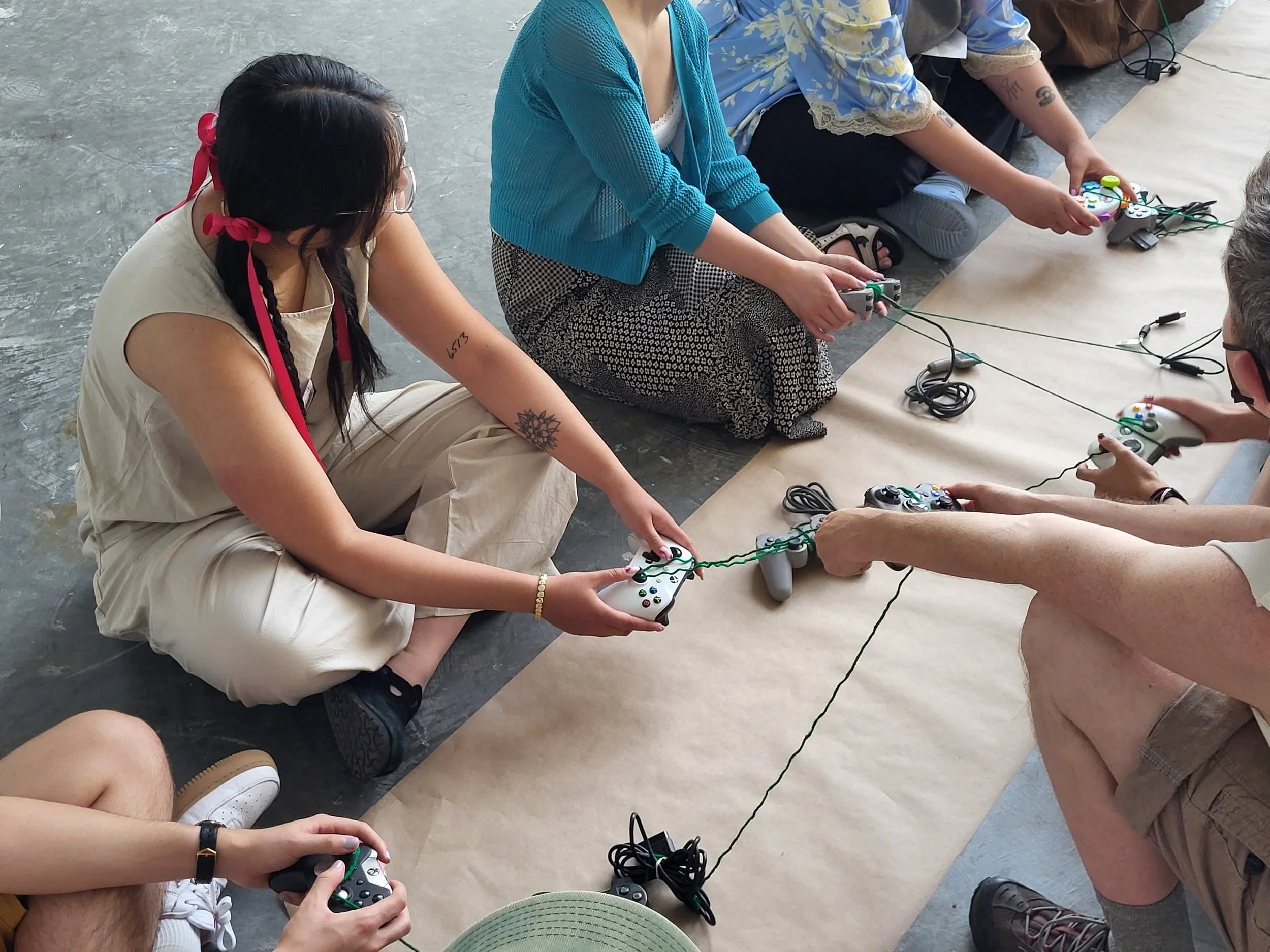
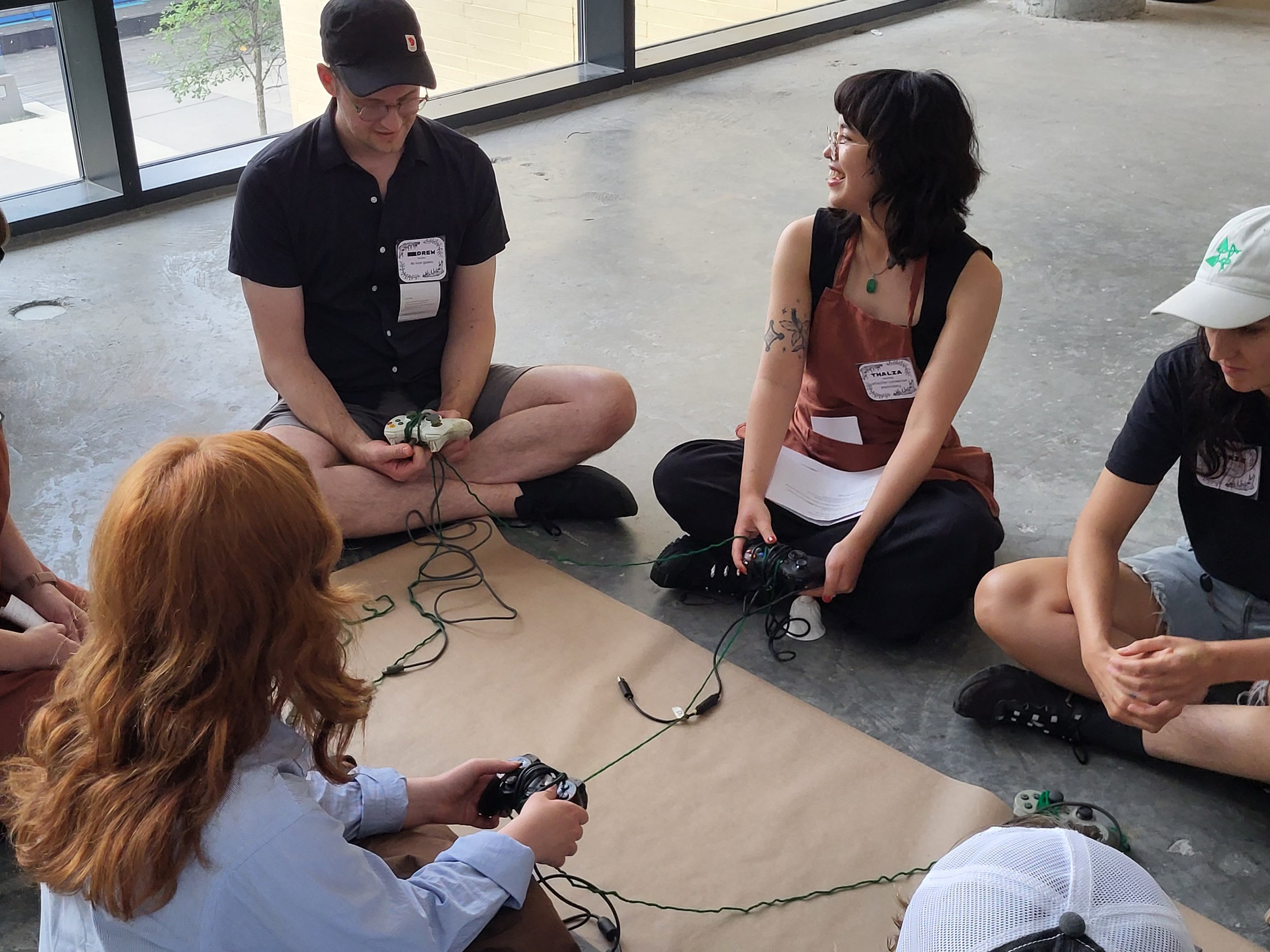
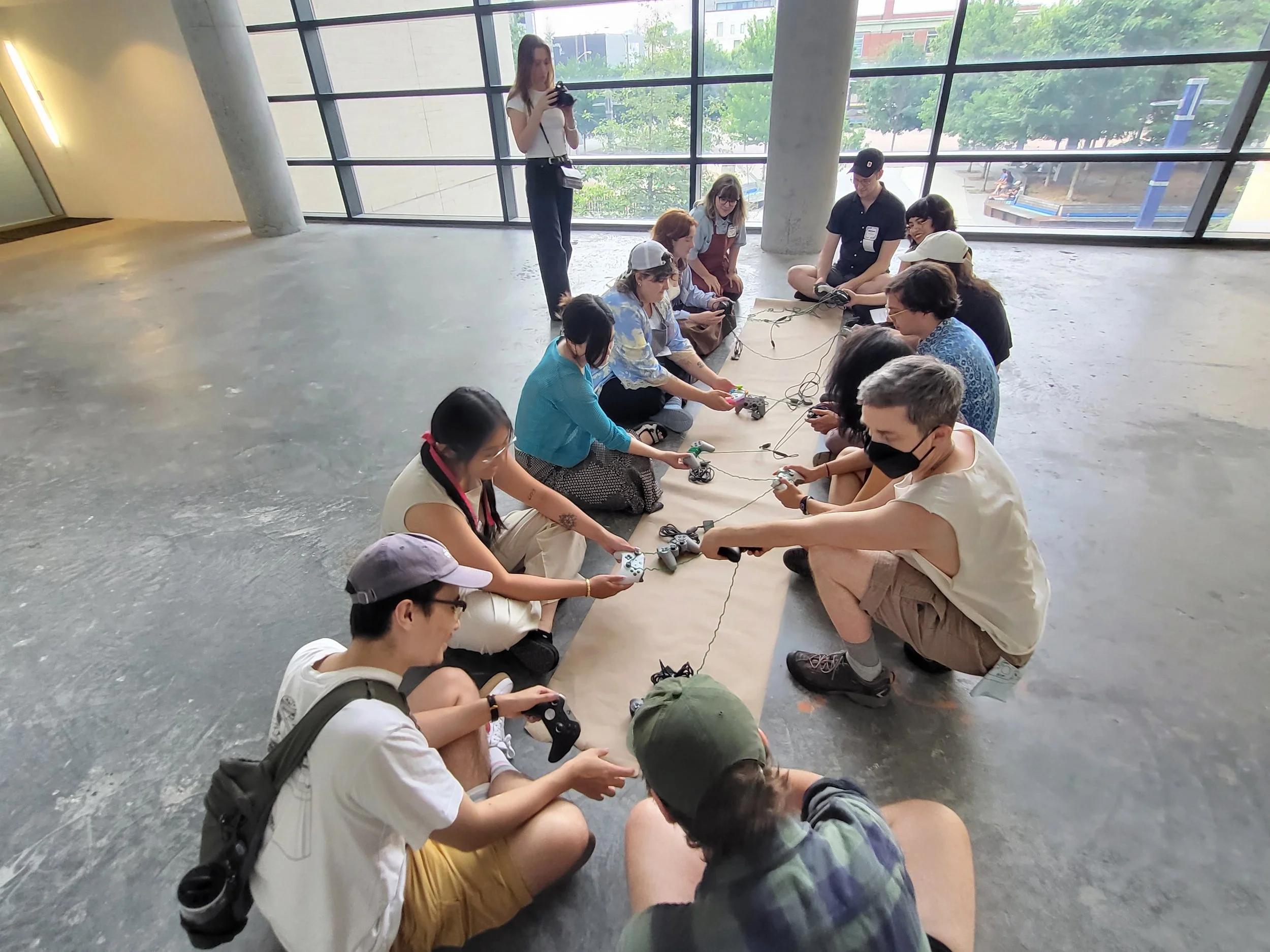
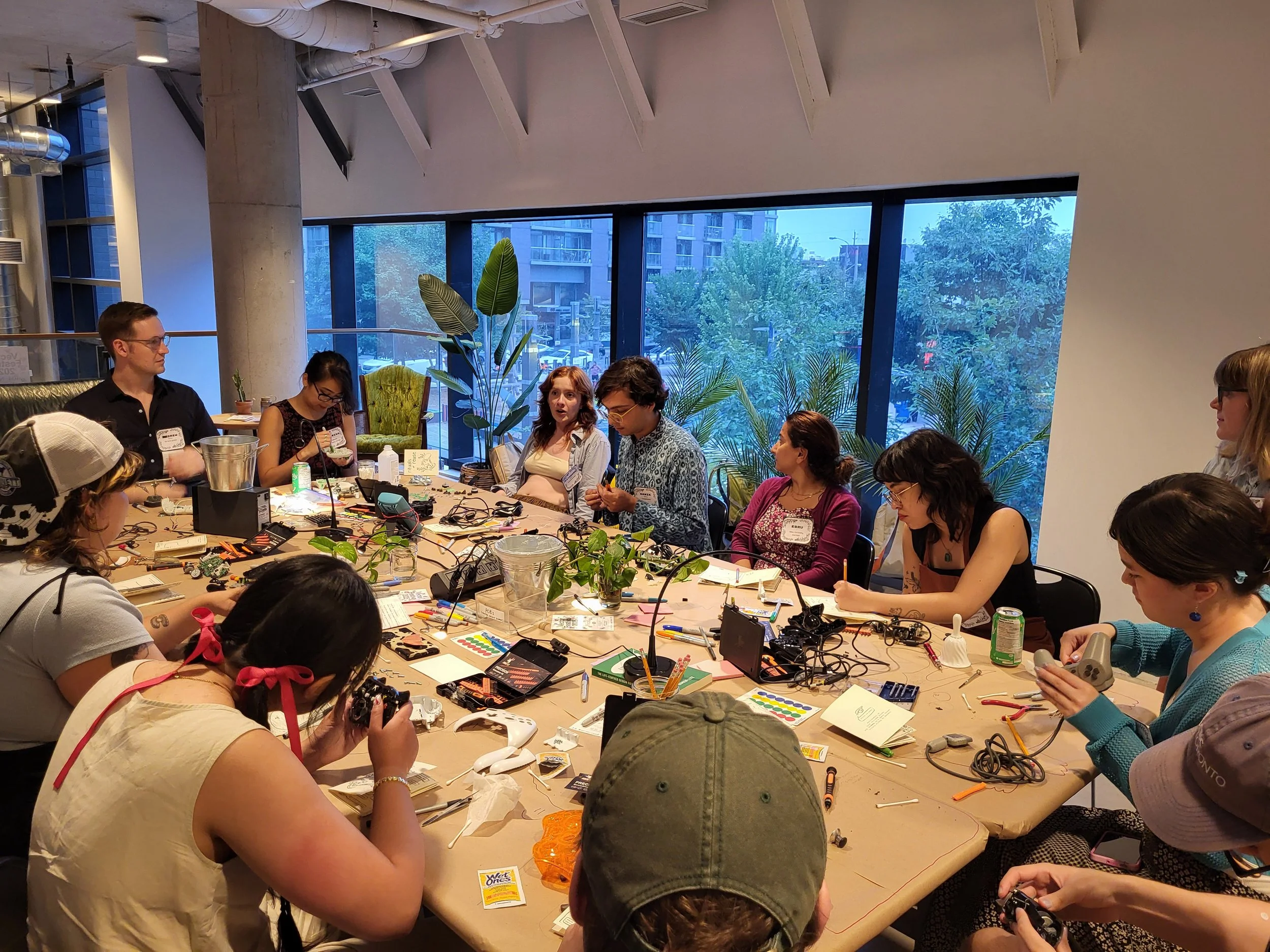
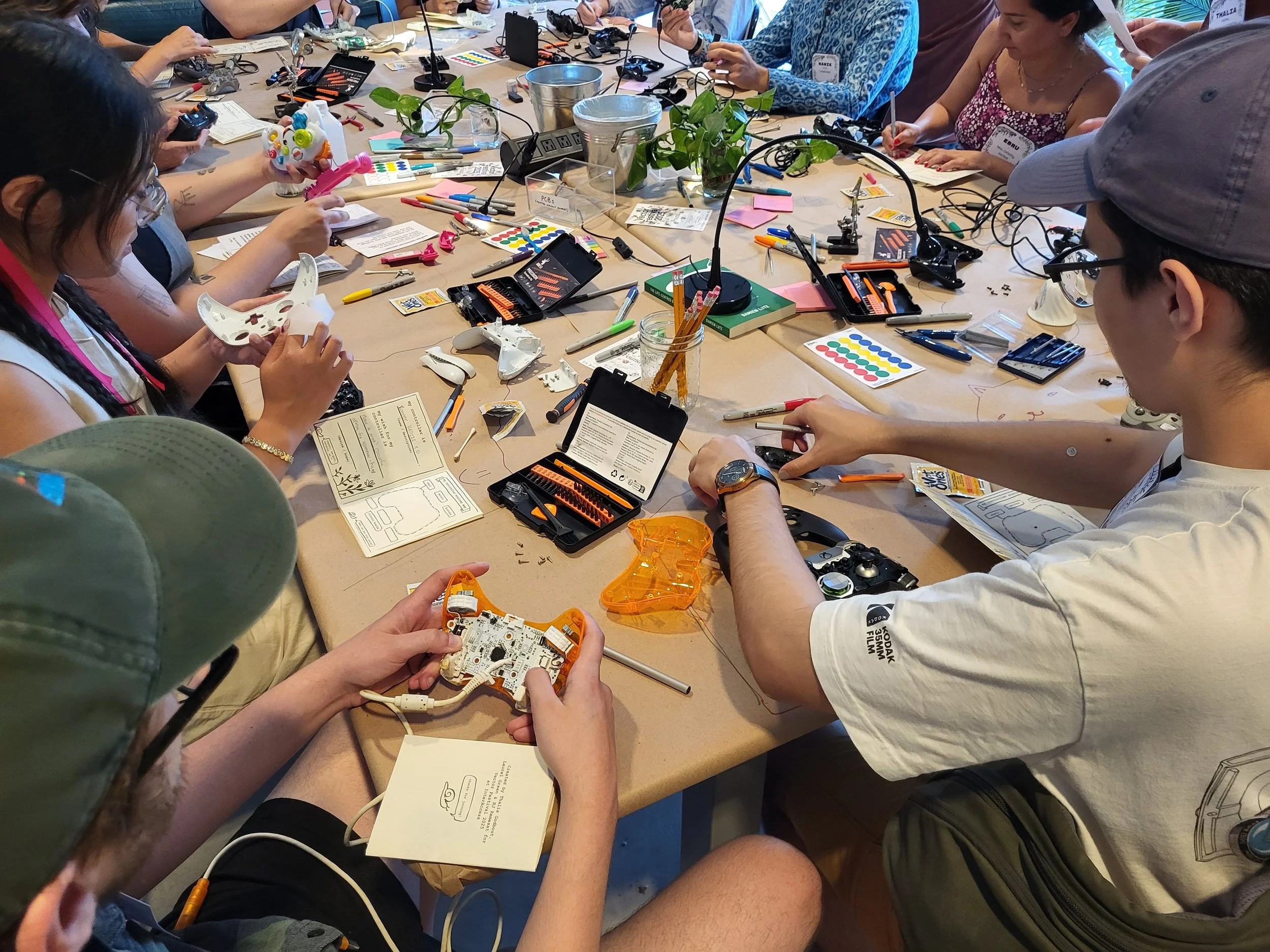
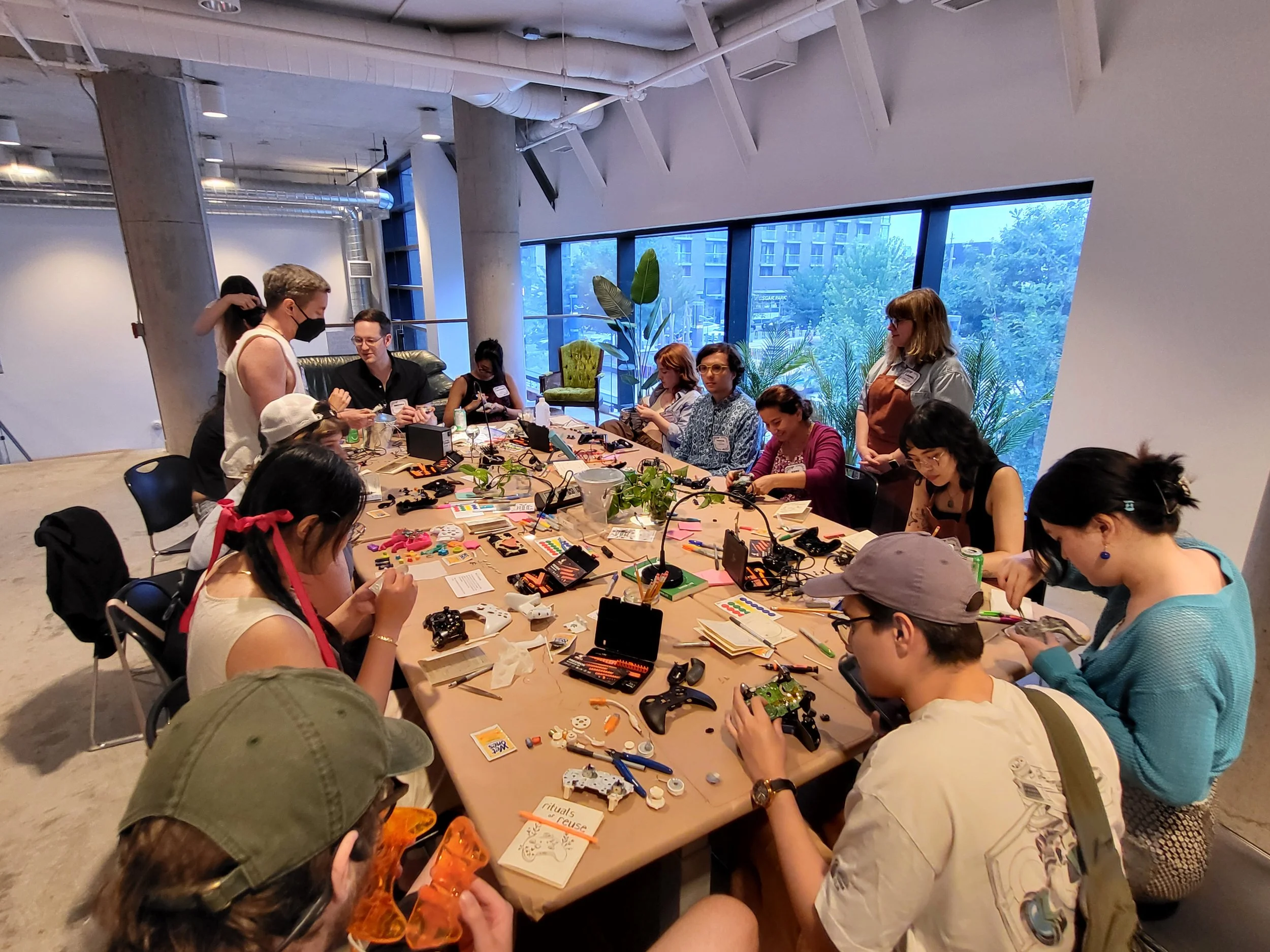
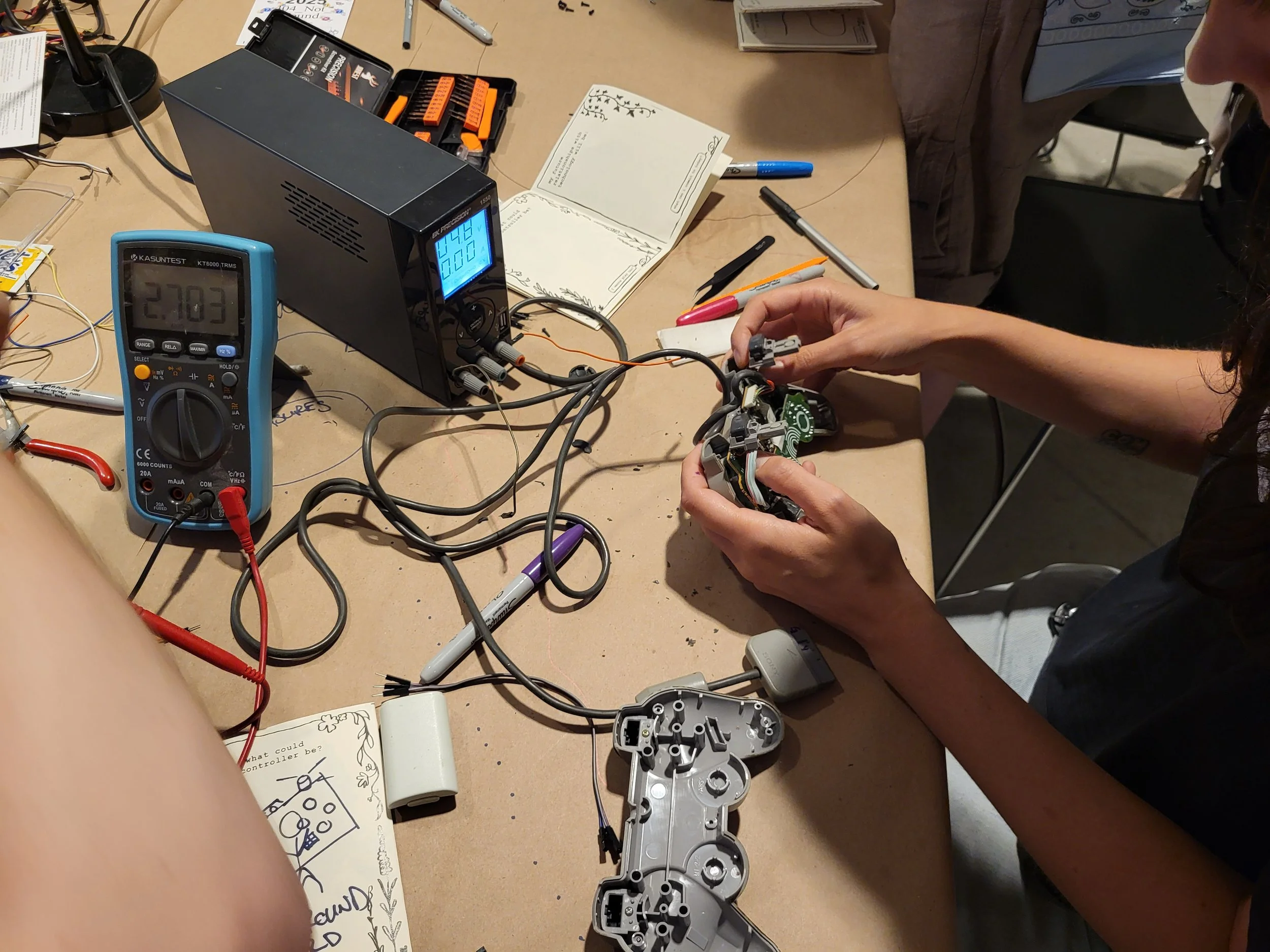
Rituals of Reuse mobilizes artistic tools, creative play, and community-engaged methods alongside emergent Life-Centred Design frameworks to address the socio-material entanglements and global challenges of planned obsolescence in video game hardware. Through a collaborative ceremonial teardown and an illustrated zine, participants collectively bid farewell to — and find new lives for — deceased game controllers.
We use game controllers almost every day, but the environmental and social impacts of their lifecycles are often rendered invisible. From material extraction to labour exploitation and e-waste, the consequences of hardware production and use are deep-rooted and felt universally by humans, non-humans, and ecosystems. These objects of play are designed for consumption, not renewal.
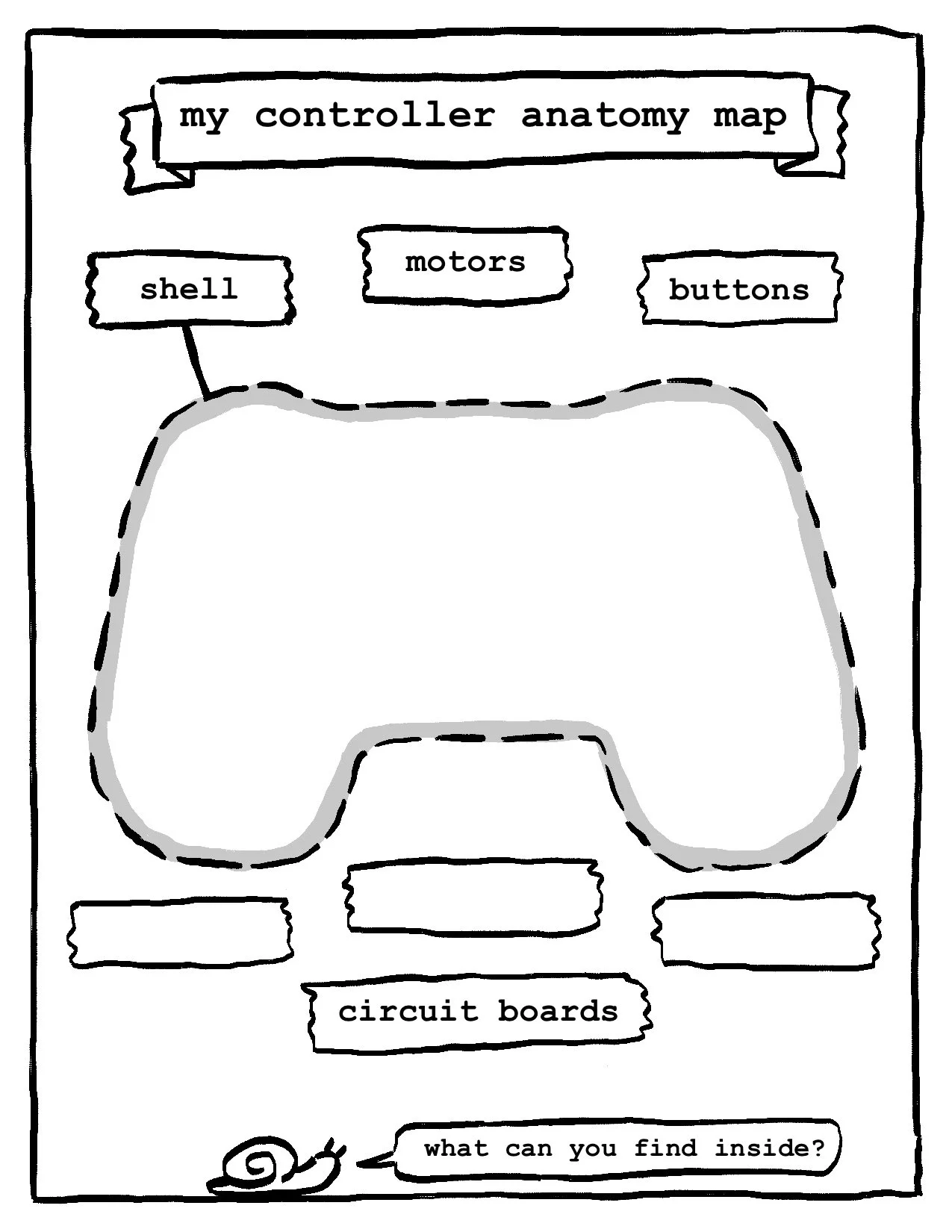
Rituals of Reuse began as a research-creation investigation into Life-Centred Design — an emerging holistic design approach that aims to consider all peoples, animals, and planet, in support of a thriving ecosystem for all. Beginning with a product anatomy map and lifecycle map of a broken Xbox One controller, the project traced the controller's journey from cradle to grave — and identified a critical gap: when a controller dies, there is no reliable, accessible system for repair, refurbishment, or responsible disposal.
Drawing on artistic and critical practices of ritual, speculative design, and slow movement philosophies, Rituals of Reuse reimagines a controller teardown as a collective ceremony — a space to slow down, pay attention, and reflect on the physical footprints left by our technologies as they decay over time, and an opportunity to re-think what we consider to be "dead" technology. As our devices become increasingly opaque, expensive, and riskier to open and hack, we advocate for greater agency to modify, maintain, and repair.
Our workshops consider preservation as an ongoing, participatory practice, highlighting the invisibilized impacts of hardware lifecycles on humans, non-humans, and ecosystems towards sustainable, life-centred futures. Rituals of Reuse explores pathways for sustainable production, archival practices, curriculum development, and right to repair movements.
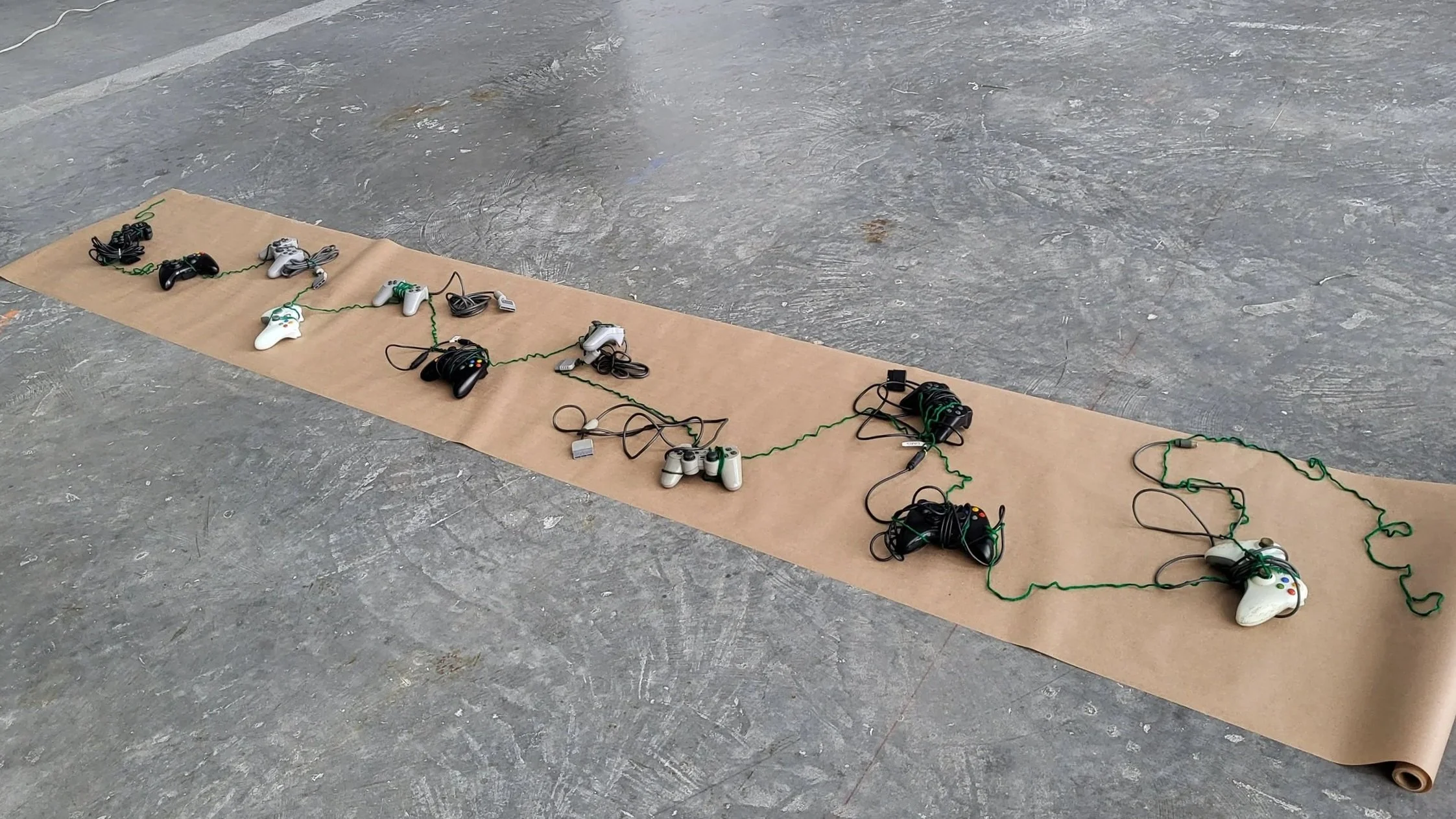
The Experience
You're invited to a collective ritual to bid farewell to, and find new life for, deceased game controllers. By repairing our relationships with broken technologies, can we repair our relationships with each other and the larger ecosystems we inhabit?
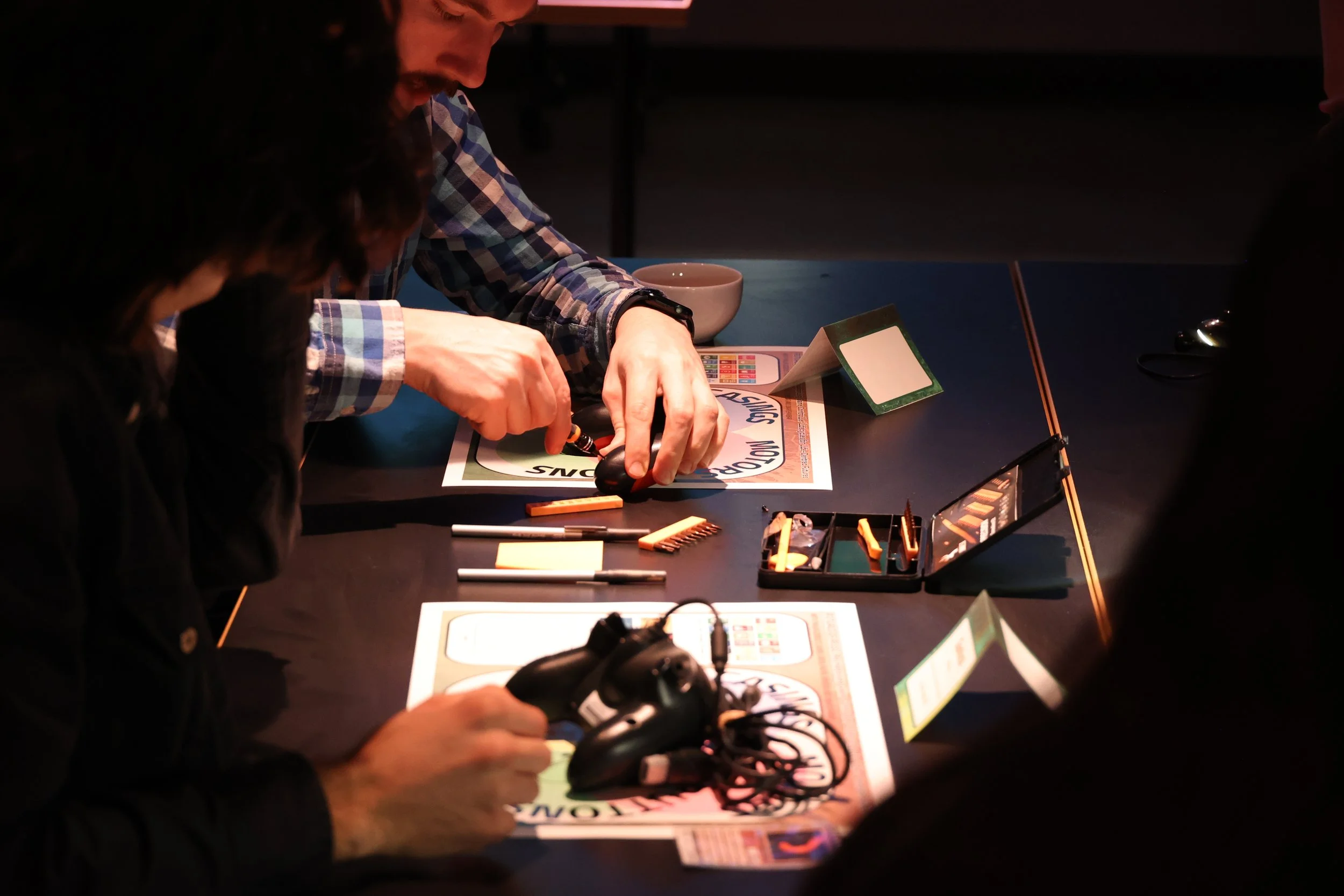
In this collaborative ceremonial teardown, we reflect on the life cycles of our hardware and the physical footprints left by our technologies as they decay over time. We explore sustainable practices that refuse to neglect the deep-rooted, deeply felt impacts of our objects of play designed for consumption, not renewal. Weaving together notions of graceful degradation, circular technologies, and life-centred design—this is an immersive experiment in slow repair.
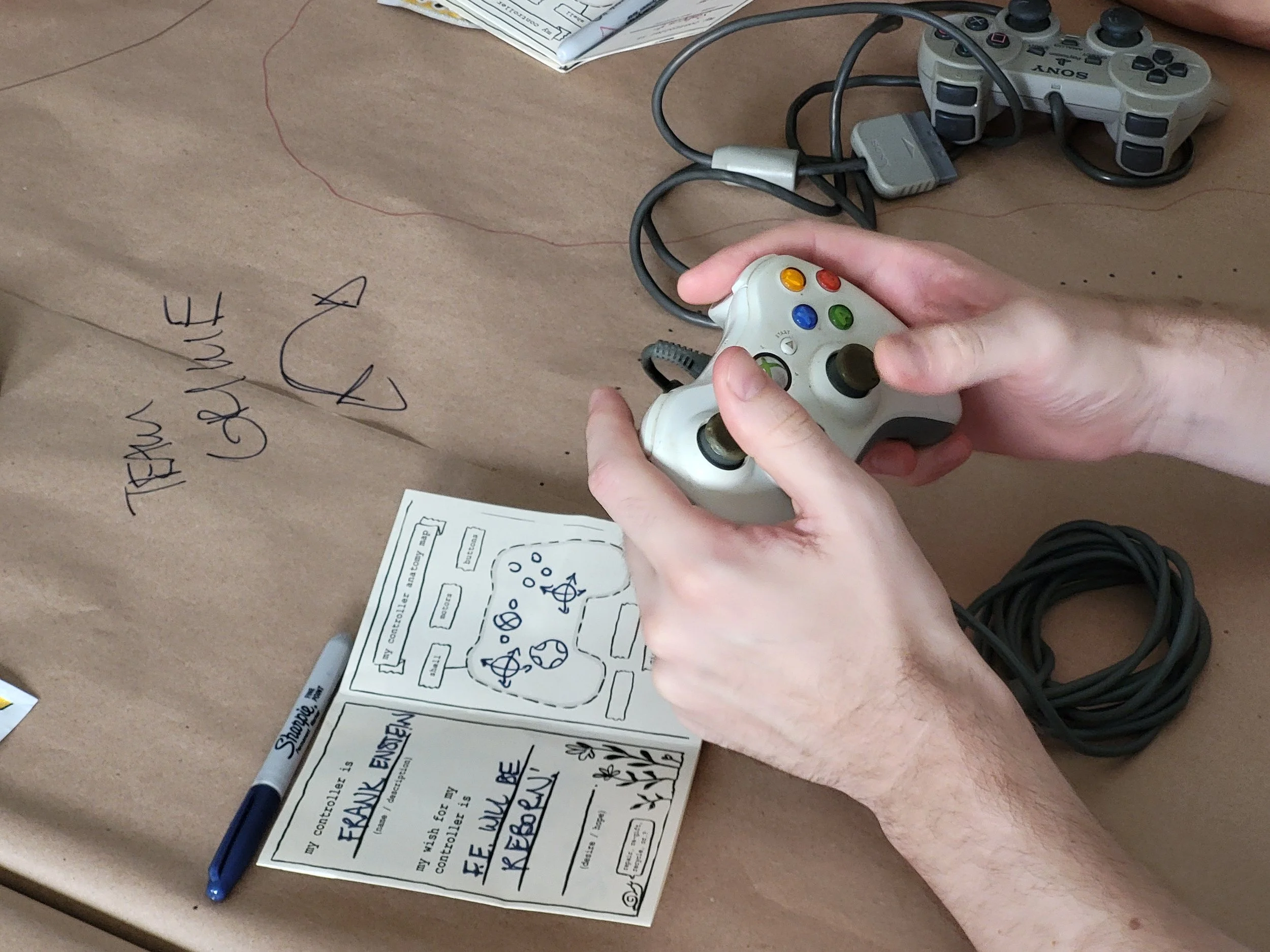
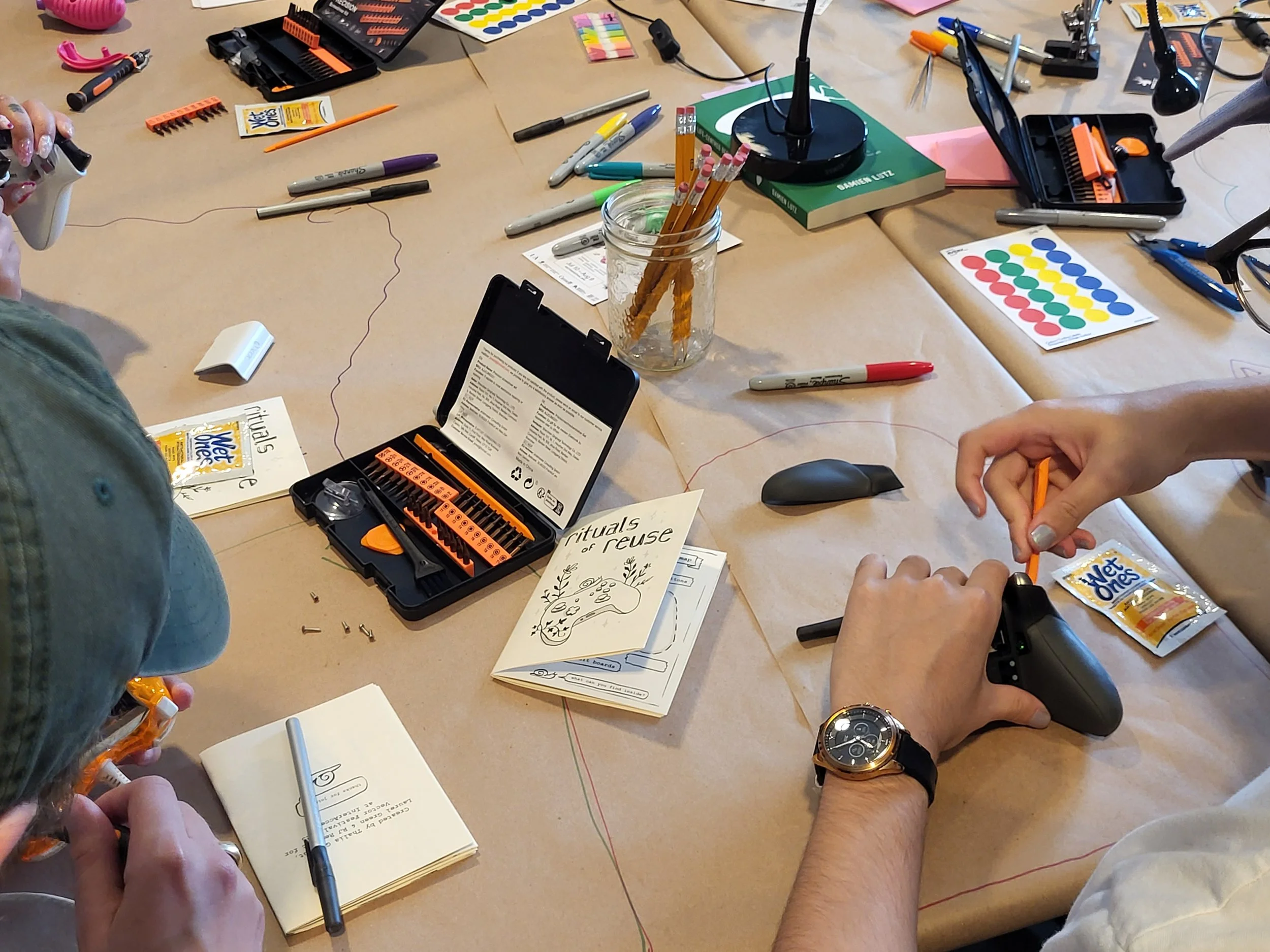
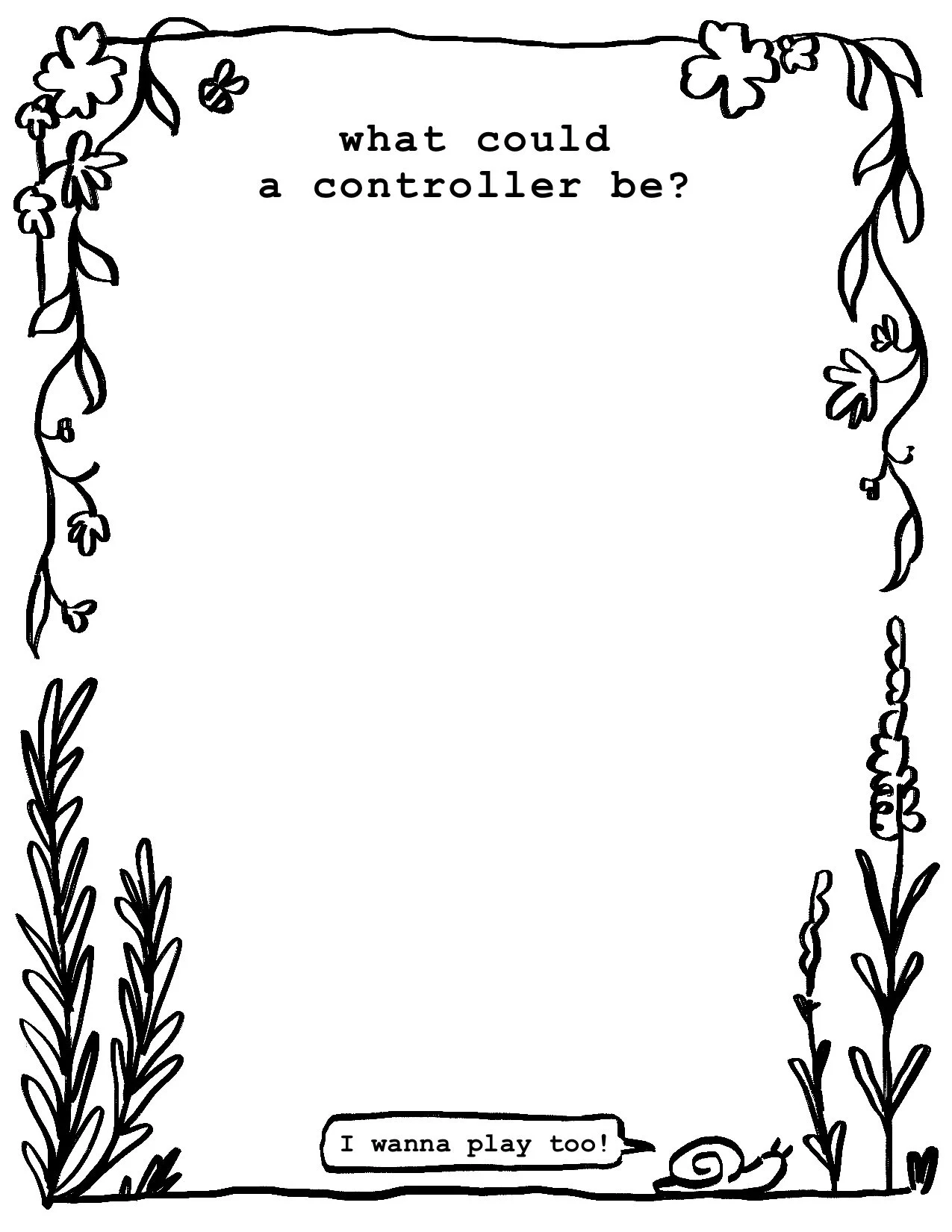
A custom illustrated zine accompanies the workshop, offering prompts for writing, drawing, and reflection, and a closing poem read aloud together.
Findings from two prototype workshops — held at York University's Transmedia Lab and at InterAccess for Vector Festival — reveal a latent desire for alternative futures. Participants gained new confidence to open and repair their own devices, formed unexpected connections with their controllers, and left with a deepened sense of the shared stewardship possible within gaming communities.
Creative Team
Designers & Facilitators — Thalia Godbout, Laurel Green, RJ Remesat, Omar Shabbar
Workshops
July 16, 2025—Vector Festival at InterAccess, Toronto, ON
March 14, 2025—Sensorium: Centre for Digital Arts & Technology, York University, Toronto, ON
Support & Partners
Developed with support from Sensorium: Centre for Digital Arts & Technology and Connected Minds at York University.